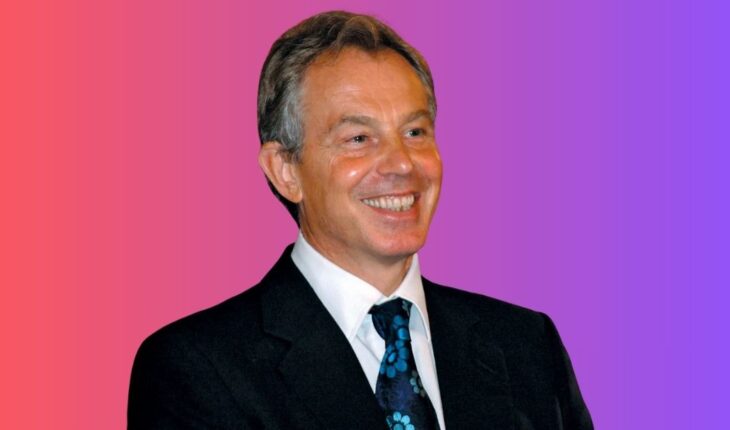
Former UK prime minister Tony Blair has re-emerged in 2025 as a possible player in post-war Gaza governance after a US plan floated giving him a role in a temporary administration. The prospect has drawn support — for his access and experience — and fierce criticism rooted in his Iraq legacy.
What’s new
Gaza brief. A recent US proposal for a transitional set-up in Gaza named Blair among figures who could help run the territory in the interim. Coverage notes his past as Quartet envoy and the polarising effect of Iraq on his credibility.
UK policy context. At home, the government has scrapped Blair’s 1999 target for 50% university attendance, replacing it with a broader skills goal — another sign of current politics reframing Blair-era landmarks.
Digital ID debate. Blair’s institute has championed digital identity just as the UK government set out plans for a national digital ID. Public and political reactions remain volatile.
Current roles and platform
Blair is executive chairman of the Tony Blair Institute for Global Change (TBI), which advises governments on strategy, delivery and tech-driven reform. TBI reports work in more than 40 countries and rapid expansion, alongside the scrutiny that comes with growth. Its policy themes include digitising the state (including digital ID), data-driven public services and technology infrastructure such as AI and compute.
Record in office (1997–2007)
Domestic. Devolution for Scotland and Wales; House of Lords reform; the Human Rights Act; and the Freedom of Information Act.
Northern Ireland. A key role in the 1998 Good Friday Agreement.
Foreign policy. Interventions in Kosovo, Sierra Leone, Afghanistan and Iraq. The 2016 Chilcot Report condemned the decision-making and planning around Iraq.
Post-premiership arc
Middle East envoy (2007–2015). Blair served as the Quartet’s envoy, building the network now cited by backers of a Gaza role and the mistrust cited by critics.
Think-tank to operator. TBI’s growth has brought influence — and questions over funding and proximity to big tech — while positioning Blair as a leading voice for state modernisation.
Why it matters now If Gaza diplomacy moves toward a transitional administration, any Blair role — formal or informal — would reflect a bet on technocratic delivery and international deal-making, set against a highly contested personal legacy. It also dovetails with TBI’s wider push for technology-led governance that is shaping UK and global debates in 2025.