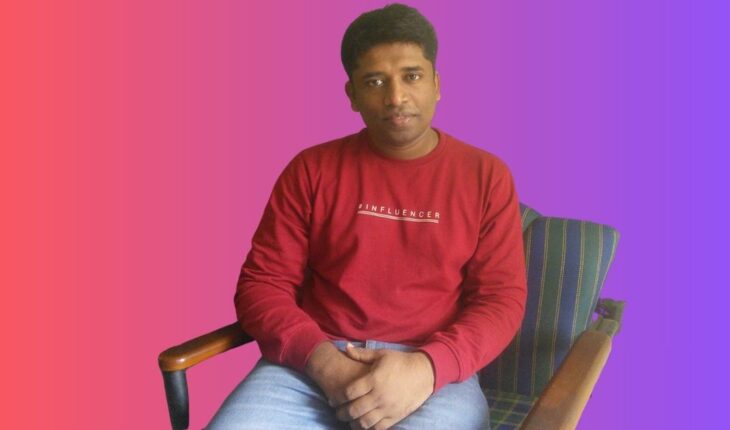
Former IAS officer Kannan Gopinathan — who resigned in 2019 over the clampdown that followed the abrogation of Article 370 — joined the Indian National Congress on 13 October 2025 at the AICC headquarters in New Delhi.
Welcomed by K. C. Venugopal and other leaders, he said he chose Congress after travelling across the country and concluding it was “the only party” that could steer India in the right direction.
On X he added: “Joining the IAS was a means to serve; leaving it was a necessity to speak… through the Congress, I can do both.”
Born on 12 December 1985 in Kottayam, Kerala, Gopinathan studied electrical and electronics engineering at BIT Mesra.
He joined the IAS in 2012 (AGMUT cadre), serving as district magistrate in Aizawl and later as secretary (power and non-conventional energy) in Dadra & Nagar Haveli and Daman & Diu.
He drew attention for practical on-ground initiatives in Mizoram and for quietly volunteering during the 2018 Kerala floods without disclosing his rank.
In August 2019 he resigned, citing denial of fundamental rights during the Kashmir shutdown.
He became a visible voice at CAA–NRC protests and was detained in several cities, including while travelling to speak at Aligarh Muslim University.
The Home Ministry later asked him to rejoin, arguing his resignation had not been accepted. He declined, offering to volunteer during Covid-19 instead.
At his induction he said abrogation was the government’s prerogative, but jailing journalists and political leaders and cutting communications across a state was wrong. Remaining silent, he argued, would betray his conscience.
The party portrays him as a “brave bureaucrat” who stands with the marginalised and defends civil liberties — useful credentials for voters concerned about democratic freedoms.
His move also extends a pattern of ex-IAS officers, such as Sasikanth Senthil, entering the party. Early signals point to organisational and campaign roles rather than an immediate electoral bid.
How he converts personal credibility on rights into party reach — and how opponents respond — will shape his impact.