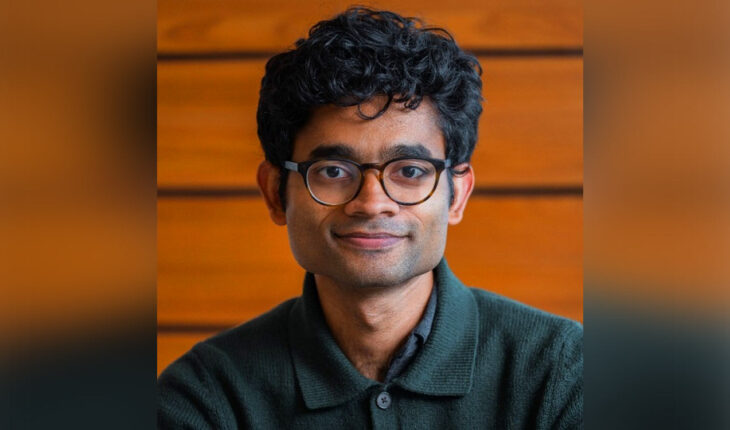
In the space of just 48 hours this July, MIT-trained coder Varun Mohan turned his three-year-old start-up Windsurf into a US$2.4 billion lightning-rod that pitted Google against OpenAI for control of the next generation of “agentic” coding tools. The contest ended when Google DeepMind hired Mohan and Windsurf’s core research team and took a non-exclusive licence to the firm’s technology—only days after an OpenAI term sheet for a US$3 billion acquisition expired.
Early life and education
Born in 1997 to Indian immigrants in California’s Silicon Valley, Mohan grew up in Sunnyvale and excelled at maths and programming Olympiads while attending The Harker School in San Jose. He earned a BSc (2017) and an MEng (2018) in electrical engineering and computer science at MIT, specialising in operating-system performance, distributed computing and machine learning.
Formative career
Internships at Quora, Cloudian, Databricks and Samsung sharpened his interest in high-performance data systems. He joined autonomous-vehicle pioneer Nuro in 2018, leading autonomy-infrastructure teams until 2020.
Founding Windsurf: re-imagining the IDE
In June 2021 Mohan and MIT classmate Douglas Chen founded Windsurf (originally Codeium) to build GPU-virtualisation tools. They soon pivoted to an AI-native integrated development environment that paired large-language-model code generation with an “agentic” workflow engine called Cascade. By early 2025 Windsurf claimed one million developers just four months after launch, annual recurring revenue near US$100 million and US$243 million in venture backing at a US$1.25 billion valuation.
The OpenAI–Google bidding war
OpenAI entered advanced talks in June 2025 to buy Windsurf for US$3 billion, but its exclusivity window lapsed on 11 July. Within hours Google DeepMind struck a US$2.4 billion “reverse acquihire”, licensing the technology and hiring the firm’s top researchers. Windsurf stayed independent under interim chief executive Jeff Wang. Three days later AI-agent start-up Cognition bought Windsurf’s remaining 200-plus staff and product line, keeping the brand alive. Analysts say Google’s bid was about people, not product: Mohan’s team now sits inside DeepMind’s Gemini-coding-agents group.
Leadership style and vision
Colleagues portray Mohan as a systems-savvy technologist able to translate bleeding-edge research into production code at speed. “We are proud of what Windsurf built and excited to turbo-charge Google’s work on coding agents,” he said when the deal closed. Mohan believes large-language-model agents will soon write most routine code, freeing engineers to focus on architecture and problem discovery—an ethos that shaped Windsurf’s design.
Wealth and influence
The Economic Times estimates his personal haul from the Google deal at roughly US$2.4 billion, placing him among America’s richest first-generation immigrant founders before his 30th birthday.
What’s next
Now a senior director at Google DeepMind, Mohan is tasked with weaving Windsurf’s Cascade workflows into the Gemini platform. Observers expect his arrival to intensify the race for enterprise AI-coding suites and to keep Silicon Valley’s talent war blazing well beyond 2025.
Key takeaway: From teenage Olympiad coder to multi-billion-dollar talent magnet, Varun Mohan exemplifies the new power of AI-infrastructure founders—proof that a handful of engineers with a novel agentic workflow can tilt Big Tech’s strategic scales.