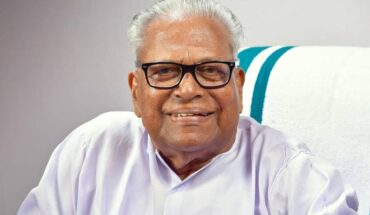
Dr Sangeeta Kaushal Mishra is a senior Nepali civil servant and obstetrician-gynaecologist who rose to additional secretary in Nepal’s Ministry of Health and Population (MoHP).
She has led major government hospitals and the Department of Health Services (DoHS), and has often acted as a public-health spokesperson and programme lead.
Her record includes service as director and chief consultant at Paropakar Maternity and Women’s Hospital, leadership roles at Koshi Hospital, and teaching at the National Academy of Medical Sciences (NAMS).
A Fulbright alumna, she holds an MPH (Johns Hopkins) and an MD in obstetrics and gynaecology, and has laparoscopy training. She has worked on national campaigns from COVID-19 briefings to TB and neglected tropical diseases.
2025: Health and politics intersect
March 2025. A cabinet decision to appoint a junior official as health secretary prompted a backlash in Parliament.
Independent MP Amresh Kumar Singh alleged discrimination after reports that Dr Mishra had ranked first, and he called for the minister’s resignation.
The Supreme Court later issued a show-cause order on her writ challenging the process.
September 2025. An interim cabinet led by Prime Minister Sushila Karki recommended Dr Mishra for minister of health and population; she resigned as additional secretary in expectation of taking office.
Within 48 hours, several outlets reported that her oath was placed on hold after the Commission for the Investigation of Abuse of Authority (CIAA) flagged an ongoing probe into alleged procurement irregularities during her DoHS tenure.
Her name was then dropped while four other nominees proceeded.
Coverage largely framed the halt around the CIAA letter. Some reports also revisited debate over her origin and citizenship, noting long-running chatter about her being India-born while stressing that she is a Nepali national who has long served in state roles. Tone and detail varied by outlet.
Professional track record
Government leadership. Dr Mishra’s MoHP trajectory includes additional secretary and director-general of the DoHS. WHO Nepal materials show her speaking in 2024 at national TB and NTD events in an official capacity.
Hospitals and teaching. Earlier roles include director and chief consultant at Paropakar Maternity and Women’s Hospital, leadership at Koshi Hospital, and teaching appointments at NAMS.
Training and affiliations. Public biographies list MBBS, MD (obstetrics and gynaecology) and an MPH from Johns Hopkins (Fulbright), plus laparoscopy training (2012).
Allegations and what is known
CIAA status. Reports in September 2025 say the CIAA notified the prime minister’s office of active inquiries linked to earlier DoHS procurement, prompting the pause in her oath-taking. Specific case files were not public at the time.
Procurement disputes. Some outlets referred to earlier equipment-procurement controversies during her DoHS leadership. Details and outcomes differ by source; official conclusions were not available in those reports.
Dr Mishra and her supporters have called the sequence procedurally unfair — an argument she also made in her writ over the secretary appointment — while critics of the decision-makers allege bias in senior postings. Courts and oversight bodies will determine the procurement issues.
The identity debate
Beyond legal scrutiny, the stalled appointment sparked wider discussion of Madhesi representation and bias in Kathmandu’s power structures.
Opinion columns in The Kathmandu Post have described Nepal as an “ethnocracy” in which Madhesis face entrenched disadvantages; these are op-eds, not official findings, but they reflected activist sentiment during the week her oath was paused.
What to watch
- Legal outcomes and vetting. Whether CIAA referrals lead to charges — or are closed — will shape any return to cabinet contention.
- Civil-service fairness. The Supreme Court show-cause in her secretary-posting case may clarify how seniority, Public Service Commission rankings and ministerial discretion interact.
Representation politics. Debate over origin and identity has become entwined with inclusion during the Karki interim period, which international coverage links to broader governance turbulence.