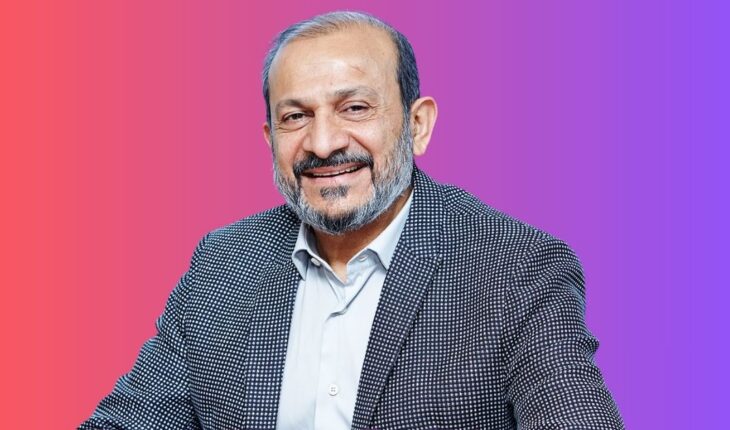
Firoz Merchant is a Dubai-based Indian businessman whose public reputation in the UAE has become closely associated with a distinctive and highly visible form of philanthropy: paying off the debts and fines of prisoners so they can walk free.
Over nearly two decades, this work — often highlighted during Ramadan — has made him a recurring presence in Gulf media coverage of humanitarian releases from UAE jails.
Merchant is best known as the founder and chairman of Pure Gold Jewellers, a jewellery retail group headquartered in the UAE. Business profiles trace his journey from modest beginnings in Mumbai, where he left formal schooling early, to rebuilding his life in Dubai’s competitive gold market.
From those early years, he developed Pure Gold into a recognisable retail brand in the region’s jewellery trade, a trajectory frequently framed as a classic migrant-entrepreneur success story.
Yet it is his philanthropic initiative — sometimes described under the banner of “The Forgotten Society” — that has most consistently drawn public attention.
Since 2008, Merchant has focused on supporting insolvent prisoners, individuals incarcerated primarily for unpaid debts, fines or other financial liabilities.
His efforts often intensify during Ramadan, when charitable giving assumes added religious and cultural resonance.
In 2024, for instance, he donated 1 million dirhams to help secure the release of around 900 prisoners ahead of the holy month.
Such contributions are typically coordinated through official channels, working with authorities to identify eligible cases rather than through informal or ad hoc payments.
Over time, the cumulative impact has become a central part of his public narrative. Recent reporting reiterates claims that his contributions have helped secure the release of more than 20,000 prisoners since 2008, across multiple nationalities.
In a country where debt-related incarceration affects large numbers of low-income expatriate workers, the scale of the initiative has made it one of the most prominent private philanthropic interventions of its kind.
Accounts of how the model operates follow a similar pattern. Merchant and his team coordinate with prison administrations and relevant authorities to identify cases involving unpaid financial liabilities.
Once funds are provided to clear those debts, prisoners can be released or moved through the remaining administrative steps, which may include deportation procedures in certain instances.
The appeal of the initiative lies partly in its tangible outcome: charity is translated into an immediate, measurable result — individuals leaving prison and reuniting with families — and it aligns closely with Ramadan themes of mercy and compassion.
In recent years, his charitable activities appear to have broadened beyond debt relief. Coverage indicates that Merchant has also extended support to cancer patients struggling with high medical costs, signalling a shift from a single signature cause to a wider philanthropic portfolio.
Such diversification is common among high-profile donors once a core initiative becomes institutionalised and publicly recognised.
Merchant’s standing within the UAE’s business ecosystem is reinforced by regular profiling in mainstream and business media, which present him as both a successful entrepreneur and a habitual philanthropist.
This dual identity — businessman and benefactor — helps explain why his Ramadan initiatives routinely attract headline attention. They sit at the intersection of enterprise, community engagement and official humanitarian messaging.