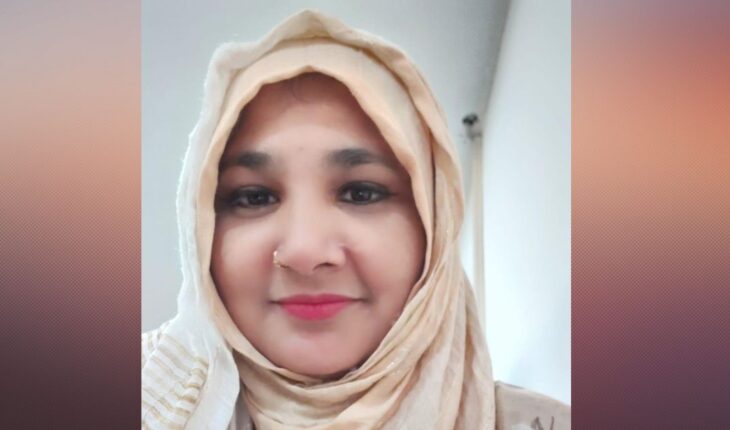
India’s patchy public services often leave the poor to fend for themselves. Zakia Perween Khan, founder and director of the Zakia Hamdard Foundation (ZHF), has spent the past seven years trying to fill the gaps.
From comfort to campaigning
Raised in a well‑to‑do family — her grandfather was a magistrate and her father a senior official at BSNL Bihar—Ms Khan enjoyed privileges unknown to most Indians.
A small gesture in her teens, when she gave her first fee for a published article to help a boy stay in school, convinced her that charity need not wait for wealth.
Building an organisation
She registered ZHF in 2018. The foundation, which aligns its work with several UN sustainable‑development goals, says it has reached more than 60,000 families.
It runs eye‑care camps, mammography units, vocational classes, legal‑aid desks and after‑school clubs for madrasa pupils.
‘Light of Life’
The health arm, Roshni Zindagi Ki (Light of Life), offers free cataract surgery, cancer screening and general check‑ups in both city slums and distant villages.
ZHF counts more than 350 cataract operations to date and thousands of screening tests. Ayurvedic wellness clinics target disabled people, nursing mothers and the elderly.
Standing up for women
Ms Khan is as comfortable in a court as she is in a clinic. ZHF lawyers take cases under India’s laws on sexual harassment at work (POSH) and child abuse (POCSO).
She has campaigned against domestic violence and the desertion of wives by non‑resident Indian husbands.
Her duties as national spokesperson for the All India Ulama Board and as president of several women’s‑rights groups amplify her message.
Schools and skills
ZHF’s open‑school network serves some 6,000 children who had dropped out of formal education.
The foundation also offers careers advice in air‑force schools, digital‑literacy classes and workshops on menstrual hygiene.
Laurels and plans
Ms Khan is an ambassador for the UN’s Sustainable Development Goals and for Global Goodwill, and holds awards ranging from the Nari Shakti Samman to the Global Women Excellence prize.
In 2025 she intends to scale up vocational centres, run more livelihood projects and expand specialist health drives.
Her motto — “Be hamdard like Zakia”, or “Be compassionate like Zakia” — is both plea and challenge.
Whether handing out spectacles or drafting legislation, Ms Khan focuses on institutions, not hashtags.
Her ambition is to leave behind stronger systems and, with them, fewer people in need of rescue.