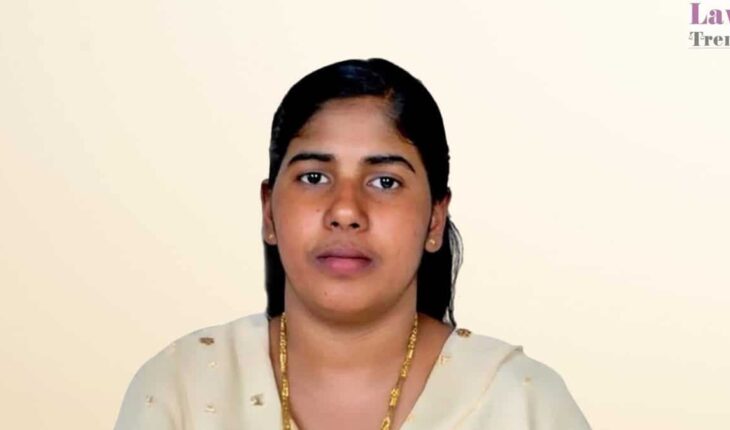
Thirty-seven-year-old nurse Nimisha Priya has spent nearly eight years behind the blast-scarred walls of Sanaa Central Prison, waiting to learn whether her life will end before a firing squad. Convicted in 2020 of murdering her Yemeni business partner Talal Abdo Mahdi, she now sits at the centre of a diplomatic scramble involving Indian officials, Yemeni tribal mediators and faith leaders on two continents.
From Palakkad to Yemen’s front line
Born to daily-wage domestic workers in Kollengode, Palakkad, Priya left India in 2008 to earn higher nursing pay in Yemen’s public hospitals. She returned briefly in 2011 to marry Tomy Thomas, then went back to Sanaa just as civil war erupted. When government salaries collapsed in 2015, she tried to open a small clinic. Yemeni law required a local partner, so she registered the venture under Mahdi’s name.
Family-court filings say the partnership soon turned abusive: Mahdi allegedly seized revenues and withheld Priya’s passport. In July 2017 her attempt to drug him and retrieve the document back-fired; Mahdi died of an apparent overdose and dismembered remains were later found in a water tank. Priya was arrested at the Saudi border and charged with murder.
Trial, sentence and appeal
A Sanaa court sentenced her to death in 2020. Yemen’s Houthi-controlled Supreme Political Council upheld the verdict in November 2023 but left open the option of diyah (blood money) if Mahdi’s family agreed to compensation.
A mother’s campaign
In Kerala, Priya’s mother Premakumari formed the Save Nimisha Priya International Action Council with lawmakers, lawyers and human-rights activists. The Delhi High Court gave her rare permission to travel to rebel-held Sanaa, where she met her daughter on 24 April 2024 and began pleading with Mahdi’s relatives. They reportedly demand US $450,000—still out of reach despite global crowdfunding.
Ticking clock
Local media reported an execution date of 16 July 2025; last-minute interventions by Indian envoys and regional clerics appear to have postponed the sentence. Yet a recent post from Mahdi’s brother warns that “retribution will come regardless of delays”.
India, which has no formal ties with the Houthis, says it is working through “friendly governments in the region” to secure a pardon. Kerala cleric Kanthapuram A.P. Aboobacker Musliar and Yemeni Sufi scholar Sheikh Habib Umar bin Hafiz remain in behind-the-scenes talks, but each day without a deal raises the risk that prison authorities will set a new date.
“War leaves no margin for lengthy diplomacy,” an Indian official told reporters. “But every extra hour we win could be the hour that saves her.”
For Nimisha Priya, the hourglass keeps running.