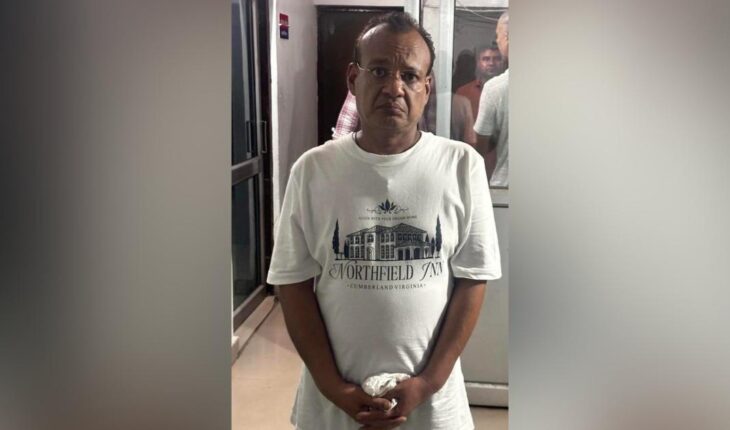
Harsh Vardhan Jain, also known as Harshvardhan Jain, arrested by the Uttar Pradesh Police’s Special Task Force (STF) on July 23, 2025, for allegedly running a fake diplomatic mission out of a rented house in Kavi Nagar, Ghaziabad.
Posing as an “ambassador” or “consul-general” of fictitious micronations such as Westarctica, Seborga, Ladonia, and Poulvia, Jain is accused of operating a long-running fraud that spanned nearly a decade.
He styled himself “H.E. H.V. Jain, Honorary Consul,” complete with fabricated diplomatic paraphernalia—cars with “CD/CC” number plates, flags, morphed photos with world leaders, and forged seals and documents from India’s Ministry of External Affairs and more than 30 other countries.
According to police, Jain, aged 47, used this elaborate fiction to lure victims with promises of overseas jobs, bank accounts, citizenship, and supposed diplomatic perks.
He allegedly laundered proceeds through hawala networks and shell companies abroad.
The raid on 23–24 July 2025 at KB‑35, Kavi Nagar, led to the seizure of ₹44–44.7 lakh in cash, foreign currency, luxury watches, 12 “diplomatic passports,” 18 number plates, and a trove of forged documents.
Investigators say the operation had been active since around 2016 or 2017.
Jain had previously been arrested in 2011 for possessing illegal satellite phones, with police sources suggesting links to controversial figures such as godman Chandraswami and arms dealer Adnan Khashoggi.
He claimed to hold MBA degrees from the London College of Applied Science and ITS Ghaziabad and to hail from a business family, though these details are now under scrutiny.
His fraud relied heavily on visual theatre: fake consular boards, forged diplomatic IDs, and doctored images with Indian and foreign dignitaries that helped mask the scam’s implausibility.
The self-declared “Grand Duchy of Westarctica,” one of the fictional states he claimed to represent, is itself an unrecognised micronation in Antarctica—esoteric enough to appear credible to the uninitiated.
Police are now probing the extent of the scam: how many victims were defrauded, how much money was moved through illicit channels, and whether others aided in fabricating documents or sourcing diplomatic paraphernalia.
The use of forged seals and symbols raises national-security concerns, exposing the ease with which diplomatic imagery can be misused. The case also highlights how obscure “micronations” can be weaponised to exploit those desperate for foreign opportunities—blending digital-age absurdity with real-world harm.