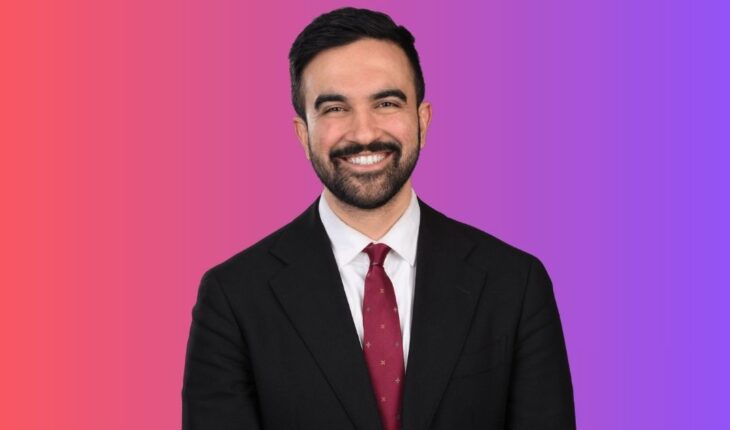
On 5 November 2025, Zohran Mamdani, a 34-year-old Assemblymember from Queens, won the New York City mayoral election, becoming the city’s first Muslim, first South Asian, and first Africa-born mayor.
He is also its youngest elected mayor in more than a century. Mamdani will assume office on 1 January 2026, marking a generational and ideological shift at City Hall.
Born in Kampala to scholar Mahmood Mamdani and filmmaker Mira Nair, Mamdani was raised in New York and educated at Bowdoin College.
He entered public office in 2020, representing Astoria and Long Island City in the New York State Assembly, where he focused on housing affordability and tenant rights.
His campaign for mayor began as a long shot but gathered momentum through an energetic, volunteer-led movement powered by small donations and strong support from national progressives, including Bernie Sanders and Alexandria Ocasio-Cortez.
Mamdani’s path to victory included a high-profile primary win over former governor Andrew Cuomo, followed by a general election rematch after Cuomo ran as an independent.
Republican nominee Curtis Sliwa trailed in third. Coverage across outlets framed Mamdani’s campaign as a referendum on affordability and a test case for progressive governance in big-city politics.
His success was built on a disciplined ground game, particularly in the outer boroughs and among younger voters.
His platform focused on core economic issues. On housing, he pledged expanded tenant protections, a citywide rent freeze, and the possible creation of a public developer to speed up the production of affordable homes.
To address the rising cost of living, he proposed piloting city-run grocery stores and introducing tax reforms to ease the burden on outer-borough homeowners, while placing higher demands on luxury properties.
On transit and labour, he advocated free bus services and floated the idea of a $30 minimum wage by 2030 — policies that underscored his alignment with working-class priorities.
The campaign was not without controversy. As a democratic socialist, Mamdani faced criticism over his views on policing and the Israel–Palestine conflict, and endured Islamophobic attacks.
Yet his populist framing on rent, wages and transit appealed across a diverse, multi-ethnic electorate. Voter turnout broke records.
In his election-night remarks, Mamdani described the result as a mandate for structural change, citing Jawaharlal Nehru and declaring the outcome a rebuke to entrenched political dynasties — a message that resonated in both Indian and American media.
Observers expect early friction with Albany and centrist Democrats, particularly over revenue-raising proposals, transit funding, and housing policy.
Immediate priorities will include forming an administration, setting out a 100-day plan, and turning campaign promises — such as rent freezes, childcare expansion, and grocery pilots — into concrete legislative and fiscal measures.
Before his mayoral run, Mamdani was known as a grassroots legislator in Astoria, advocating for tenant protections, relief for taxi drivers facing medallion debt, and public ownership of utilities.
His background also includes work on foreclosure prevention and, earlier still, a stint in independent music under the name “Young Cardamom”.
Mamdani’s election marks a symbolic and substantive break from the city’s political past. The coming months will test whether his movement can translate ideals into governance.