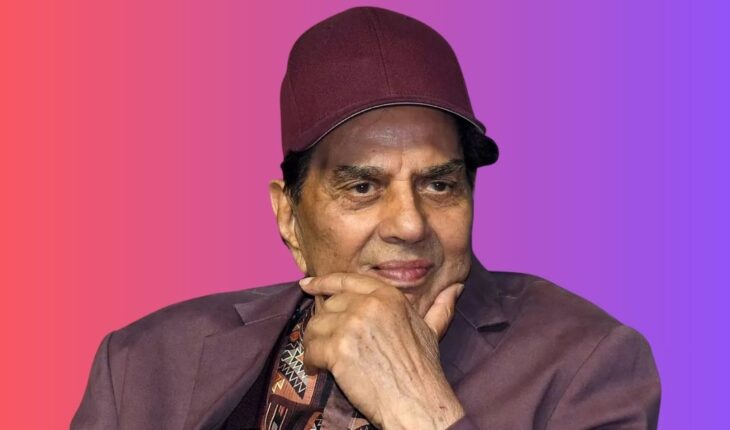
Dharmendra, one of Hindi cinema’s most enduring stars, has died aged 89, drawing the curtain on a career of more than six decades, 300-plus films and several generations of fans.
Born Dharmendra Kewal Krishan Deol on 8 December 1935 in Nasrali, Punjab, he grew up in a Jat Sikh family in Sahnewal, where his father was a school headmaster.
After schooling in Ludhiana and Phagwara he left formal education at intermediate level, won a Filmfare talent hunt and moved to Bombay, making his screen debut in Dil Bhi Tera Hum Bhi Tere (1960).
Early acclaim followed in the 1960s with romantic and dramatic turns in Ayee Milan Ki Bela, Anpadh, Bandini, Haqeeqat and Phool Aur Patthar.
By the late 1960s and through the 1970s he had become one of Bollywood’s most bankable heroes, his rugged physicality earning the sobriquets “He-Man” and “Garam Dharam”.
He led a remarkable run across genres: action and rural dramas such as Mera Gaon Mera Desh, Ankhen, Jeevan Mrityu, Pratigya, Dharam Veer, Ghulami, Hukumat and Aag Hi Aag; big-ticket entertainers including Seeta Aur Geeta, Yaadon Ki Baaraat, Jugnu and The Burning Train; and finely judged dramatic work in Anupama, Mamta, Majhli Didi, Satyakam and Naya Zamana, still cited among his best.
For global audiences his most famous role remains Veeru in Ramesh Sippy’s landmark Sholay (1975), often counted among Indian cinema’s all-time classics. He also displayed deft comic timing in Chupke Chupke (1975) and later light-hearted fare, cementing an image that blended brawn with charm.
Box-office historians have credited him with an unparalleled tally of hits across a vast filmography, a measure of consistency rare even among “superstars”.
His personal life became part of industry lore. He married Prakash Kaur in the 1950s; their sons, Sunny and Bobby, became actors, with Dharmendra producing vehicles such as Betaab (1983), Ghayal (1990) and Barsaat (1995) to launch and support them — Ghayal winning both National and Filmfare best-film honours.
He later married actress Hema Malini, his frequent co-star in films including Seeta Aur Geeta and Dream Girl; their daughters Esha and Ahana also entered cinema.
In the 2000s and 2010s the Deols turned that legacy into a joint brand with Apne (2007) and the Yamla Pagla Deewana series, trading on real-life family dynamics and Dharmendra’s still-sure comic touch.
Like several peers, he ventured into public life, winning a Lok Sabha seat from Bikaner for the BJP in 2004 and serving one term until 2009.
On television he joined the judging panel of India’s Got Talent (2011), introducing him to a younger audience beyond his classic films. The industry recognised his body of work with the Filmfare Lifetime Achievement Award (1997) and the Padma Bhushan (2012).
Rather than retire, he embraced character parts: from Pyaar Kiya To Darna Kya and Life in a… Metro to Johnny Gaddaar and Yamla Pagla Deewana.
In 2023 he enjoyed a late-career turn in Karan Johar’s Rocky Aur Rani Kii Prem Kahaani, his tender subplot with Shabana Azmi becoming one of the film’s talking points; the picture later took the National Award for Best Popular Film Providing Wholesome Entertainment.
In late October 2025 he was admitted to Mumbai’s Breach Candy Hospital after breathlessness. Conflicting reports circulated, but by 11 November 2025 multiple outlets confirmed his death there after a period of ill health.
Tributes poured in from actors, politicians and fans, many recalling stills from Sholay, Chupke Chupke and Rocky Aur Rani, and saluting a star remembered as “all muscle, all heart”.
Dharmendra’s passing closes a chapter that runs from the black-and-white social dramas of the early 1960s through the masala heyday of the 1970s and the video-era actioners of the 1980s to the multiplex age.
He leaves an on-screen persona that combined masculine physicality with emotional vulnerability; a filmography both vast and unusually successful; and a multi-generational film family that remains central to Hindi cinema.
For many in India and the diaspora he was not merely another star but an emotional constant — the poster on small-town walls, the Sunday-afternoon voice on television, the smiling elder statesman who kept turning up long after contemporaries had left the limelight.
With his death, Hindi cinema loses not only a beloved actor but a living bridge to its own golden age.